Industry News
-
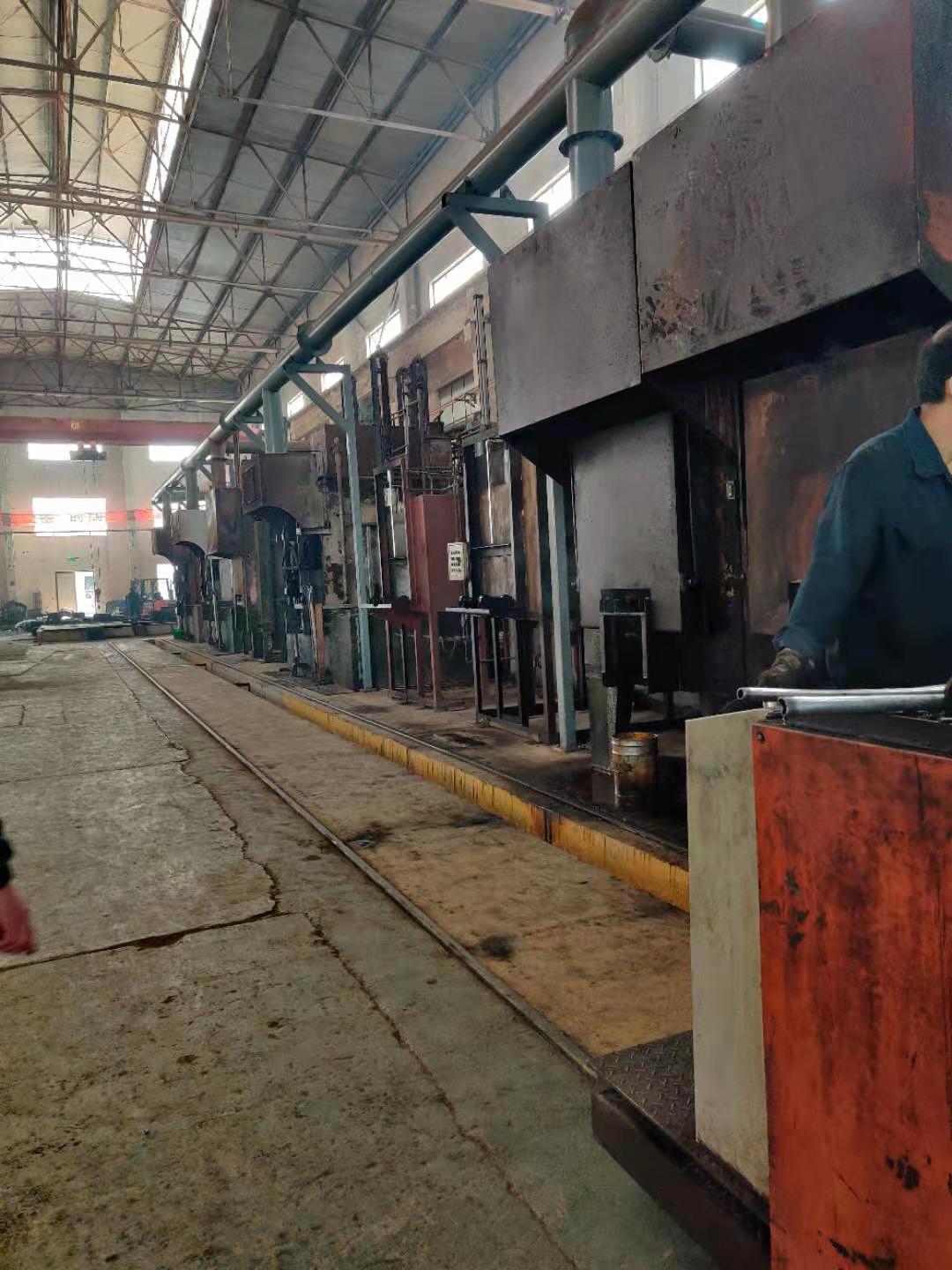
Heat Treatment Development
Technical level: China’s heat treatment technology has improved significantly in recent years. Chinese heat treatment enterprises have not only introduced advanced heat treatment equipment, but also actively carried out technical exchanges and cooperation at home and abroad, and mastered a ...Read more -

Flat grinding machining
Flat grinding machining is a process used to smooth out the surface of a workpiece by using an abrasive grinding wheel. This process is commonly used in manufacturing and metalworking industries to achieve precise flatness and parallelism on metal or non-metal surfaces.During flat grinding machin...Read more -

Surface Treatment-Sand Blasting
Sand blasting is a process for surface treatment of workpieces. Compressed air is used as the power to form a high-speed jet beam to spray the spray material (copper ore, quartz sand, corundum, iron sand, sea sand) onto the surface of the workpiece to be treated at high speed, so that the appeara...Read more -

What parts are suitable for forging?
What parts are suitable for forging 1. Shaft parts Shaft parts are suitable for production by forging process. The forged shaft can obtain excellent strength and toughness. Compared with other manufacturing processes, it has higher precision and surface quality, so it is widely used in the produc...Read more -
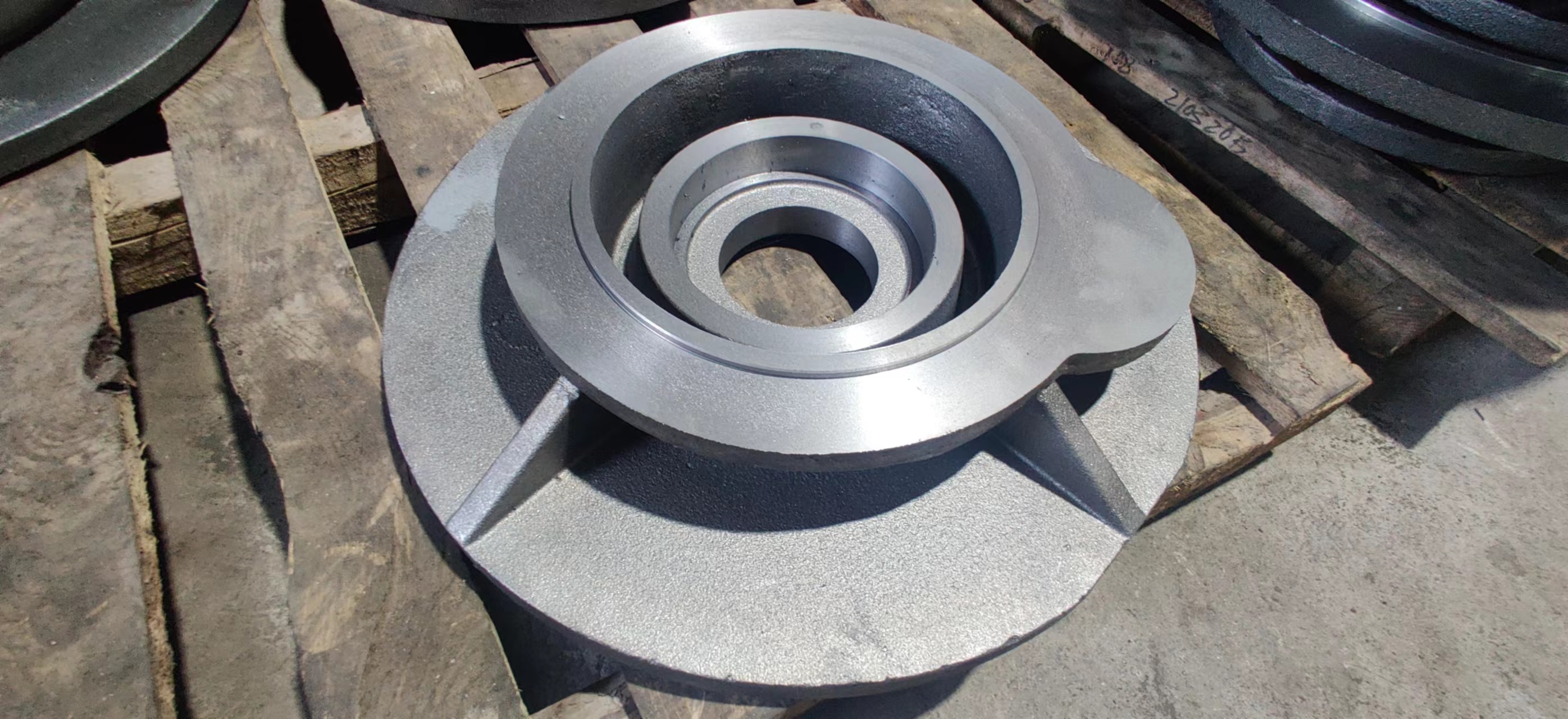
Gray Iron Castings
Gray cast iron refers to cast iron with flake graphite, because the fracture is dark gray when broken, so it is called gray cast iron. The main components are iron, carbon, silicon, manganese, sulfur, and phosphorus. It is the most widely used cast iron, and its output accounts for more than 80% ...Read more -

Should low carbon steel be tempered after carburizing?
1. Carburizing is to place the workpiece made of low-carbon steel or low-carbon alloy steel in a carbon-rich active medium. The commonly used heating temperature is 850~950°C, and keep it warm for several hours, so that the carburizing medium is produced on the surface of the workpiece. Activated...Read more -
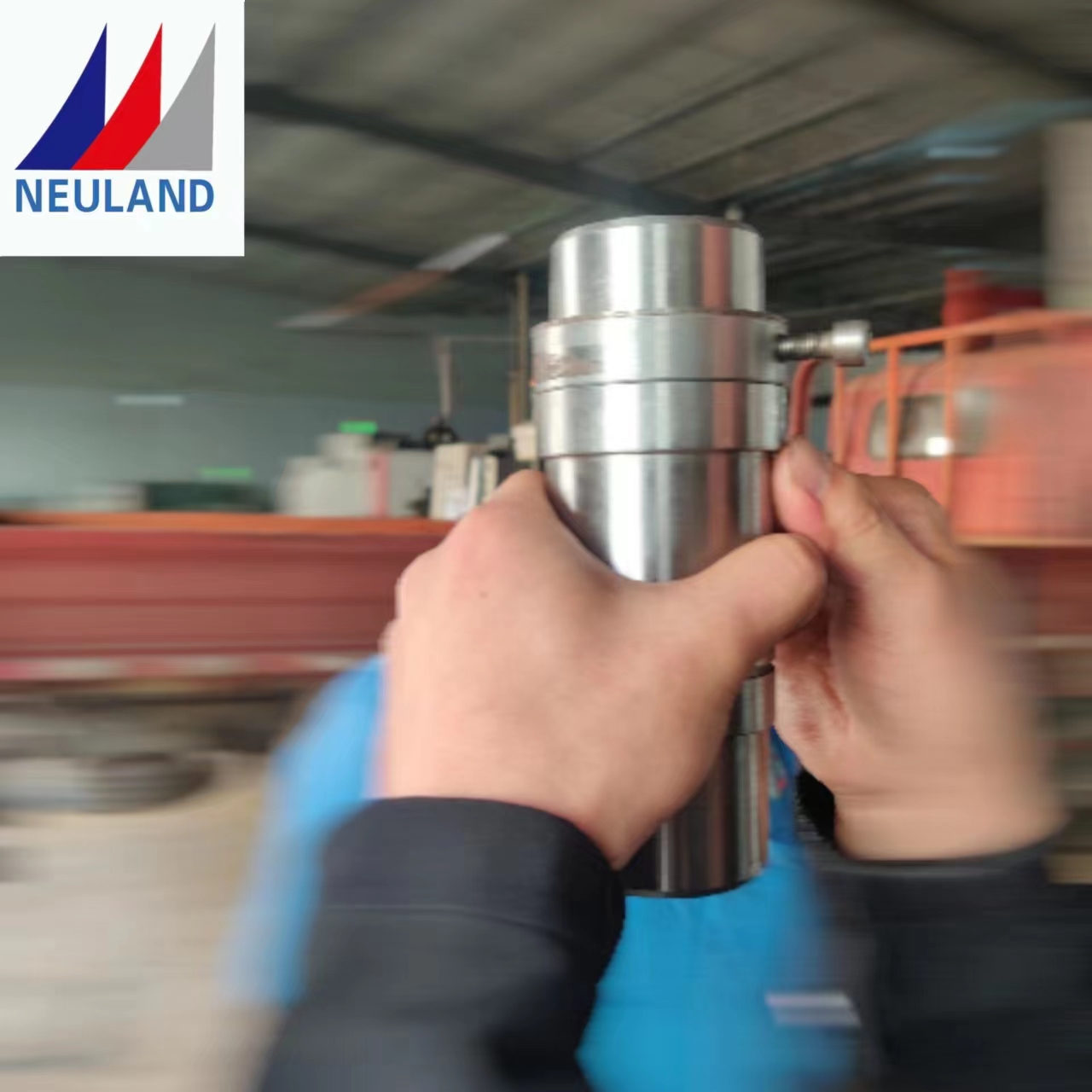
Material selection for shaft parts
1. Working conditions of shaft parts (1) It is mainly subjected to the compound action of alternating bending and torsional stress during work; (2) There is relative movement between the shaft and the parts on the shaft, and there is friction and wear between them; (3) The shaft will vibrate duri...Read more -

TIG welding
TIG welding technology is based on the principle of ordinary TIG #welding, using argon gas to protect the metal welding material, and through high current to make the welding material melt into a liquid state on the base material to be welded to form a molten pool, so that the welded metal and th...Read more -
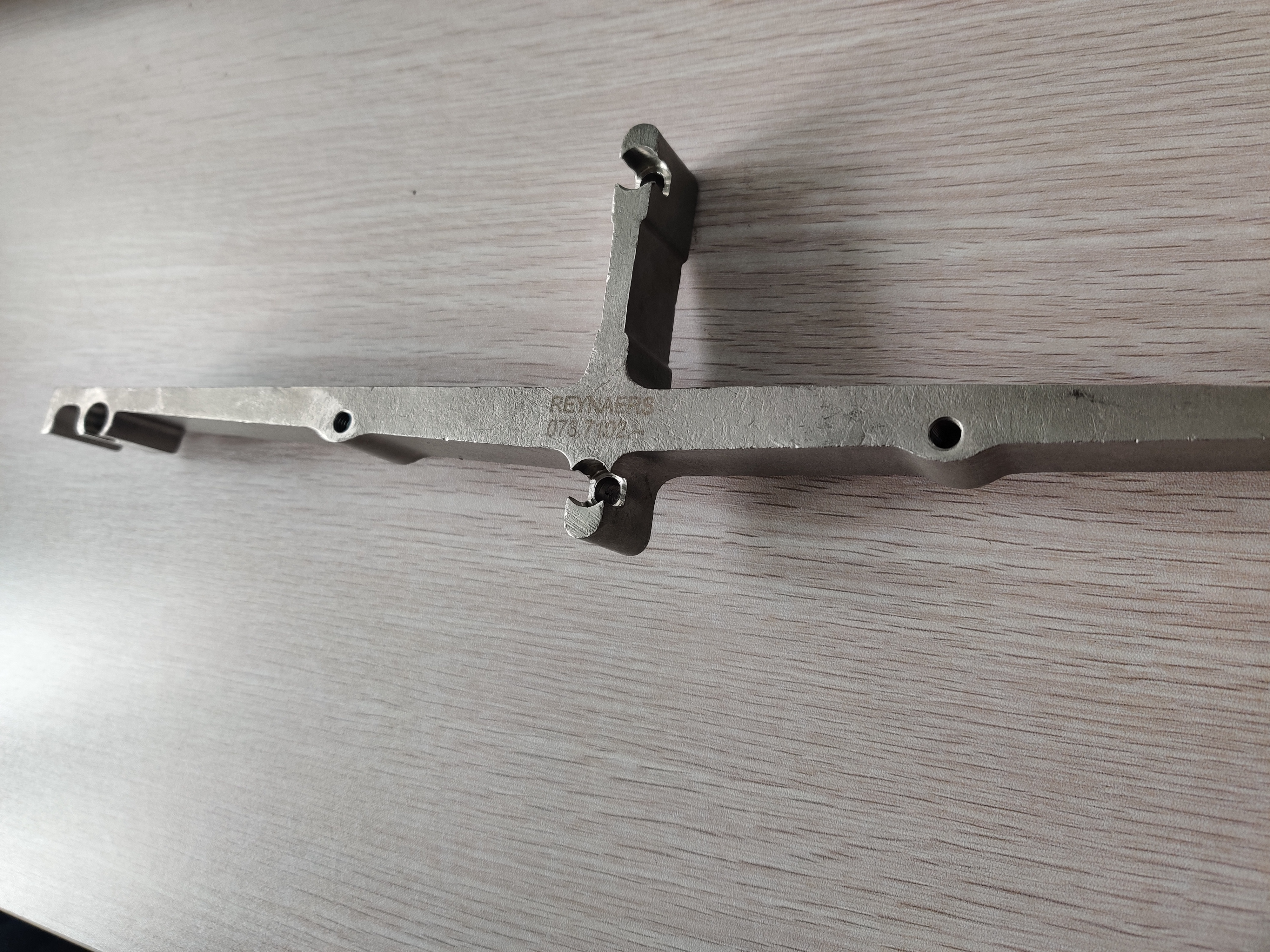
Stainless Steel
Stainless Steel (Stainless Steel) is a high-alloy steel that is resistant to corrosion. It has a beautiful surface and does not need surface treatment such as color plating or paint. Therefore, many machinery factories often do not do any paint treatment in order to show that they are stainless s...Read more -

Phosphating
Advantages of phosphating The high-temperature manganese phosphating film has the characteristics of dense film layer, good wear resistance, and excellent anti-corrosion and anti-rust performance. Because the phosphating film has a large specific surface area and good adsorption capacity, it is w...Read more -
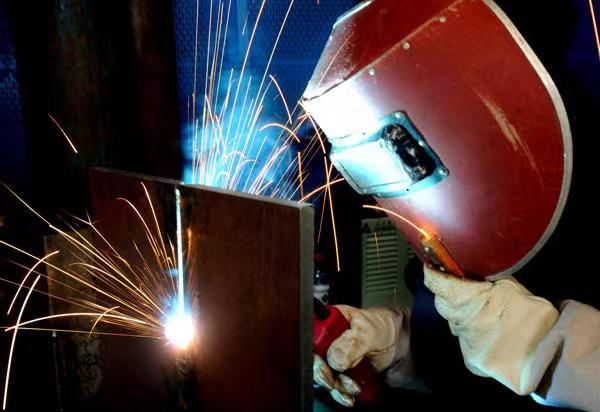
Three ways of welding
Welding achieves the purpose of joining through the following three ways: 1. Fusion welding – heating the workpieces to be joined to make them partially melt to form a molten pool, and then join after the molten pool is cooled and solidified. If necessary, fillers can be added to assist. It...Read more -

Surface Treatment-Phosphating process
I. Overview: Steel parts (such as fasteners) go through a series of chemical and electrochemical reactions in a solution containing phosphate. The process of forming a phosphate protective film that is difficult to dissolve in water on the surface is called phosphating of steel. . The color of th...Read more