News
-

Resin Sand Cast Iron
Resin sand casting is a modern casting process used to produce high-quality cast iron components. In this method, a mixture of silica sand and a thermosetting resin binder is used to create molds. The resin hardens when a catalyst is added, forming a strong and precise mold cavity. Key features o...Read more -

Laser Cutting: Advantages and Disadvantages
Laser cutting is a non-contact, thermal-based manufacturing process that uses a high-power laser beam to cut materials. It is widely used in industries such as automotive, aerospace, electronics, and sheet metal fabrication. Advantages Advantage Description High precision and accuracy La...Read more -
GMAW
Limitations Equipment complexity – GMAW equipment is more complex, less portable, and requires more routine maintenance than SMAW or GTAW . Outdoor limitations – Wind can disperse the shielding gas, leading to weld porosity. Wind screens or enclosed areas may be necessary . Metal Transfer Modes...Read more -
Gas Metal Arc Welding (GMAW)
Gas Metal Arc Welding (GMAW), commonly known as MIG (Metal Inert Gas) or MAG (Metal Active Gas) welding, is one of the most widely used arc welding processes in modern manufacturing and fabrication industries . It is often referred to in Chinese industry as “Er Bao Han” , which specif...Read more -

Typical Application Cases of SS Forging
V. Typical Application Cases Forging Type Material Process Highlights Technical Breakthrough Source Nuclear Power Support Ring Austenitic Stainless Steel Metal Constructive Technology: Small slabs vacuum packaged → High-temperature forging bonding → Ring rolling Diameter 15.6m, weld-free...Read more -

Core Technical Elements of S S Welding
III. Main Forging Process Routes 1. Hot Forging (Mainstream) The vast majority of stainless steel forgings are produced via hot forging. Heating Temperature: Depends on grade. Austenitic: 1150-1250°C; Ferritic: lower. Key Steps: Heating: Step heating or controlled ramp rates to prevent thermal ...Read more -

Stainless Steel Forging
Stainless steel forging is fundamentally different from carbon steel forging. The core challenges lie in the narrow forging temperature window, high deformation resistance, and strict microstructure control. The following provides a complete technical framework covering material characteristics, ...Read more -
aluminum welding
III. Pre-Weld Preparation: 70% of Success Aluminum welding abhors “dirt” and “delay.” Thorough Cleaning (Three-Step Method) : Degreasing: Wipe off oil, grease, and fingerprints using acetone or isopropyl alcohol. Film Removal: Scrub unidirectionally with a dedicated stai...Read more -

Technical Introduction to Aluminum Welding
The core challenges of aluminum welding boil down to three “enemies”: Oxide Film (Al₂O₃), High Thermal Conductivity, and Hydrogen Porosity. Welding aluminum is not an “upgraded version” of welding steel—it is a completely different discipline. From cleanliness and equipmen...Read more -

Stainless Steel Welding
IV. Key Technical Points of Stainless Steel Welding (Core professional aspects) Welding Consumable Matching Welding wire or electrode must be compatible with the base material Example: AISI 304 base material matched with ER308L filler Heat Input Control Proper control of heat input is cri...Read more -
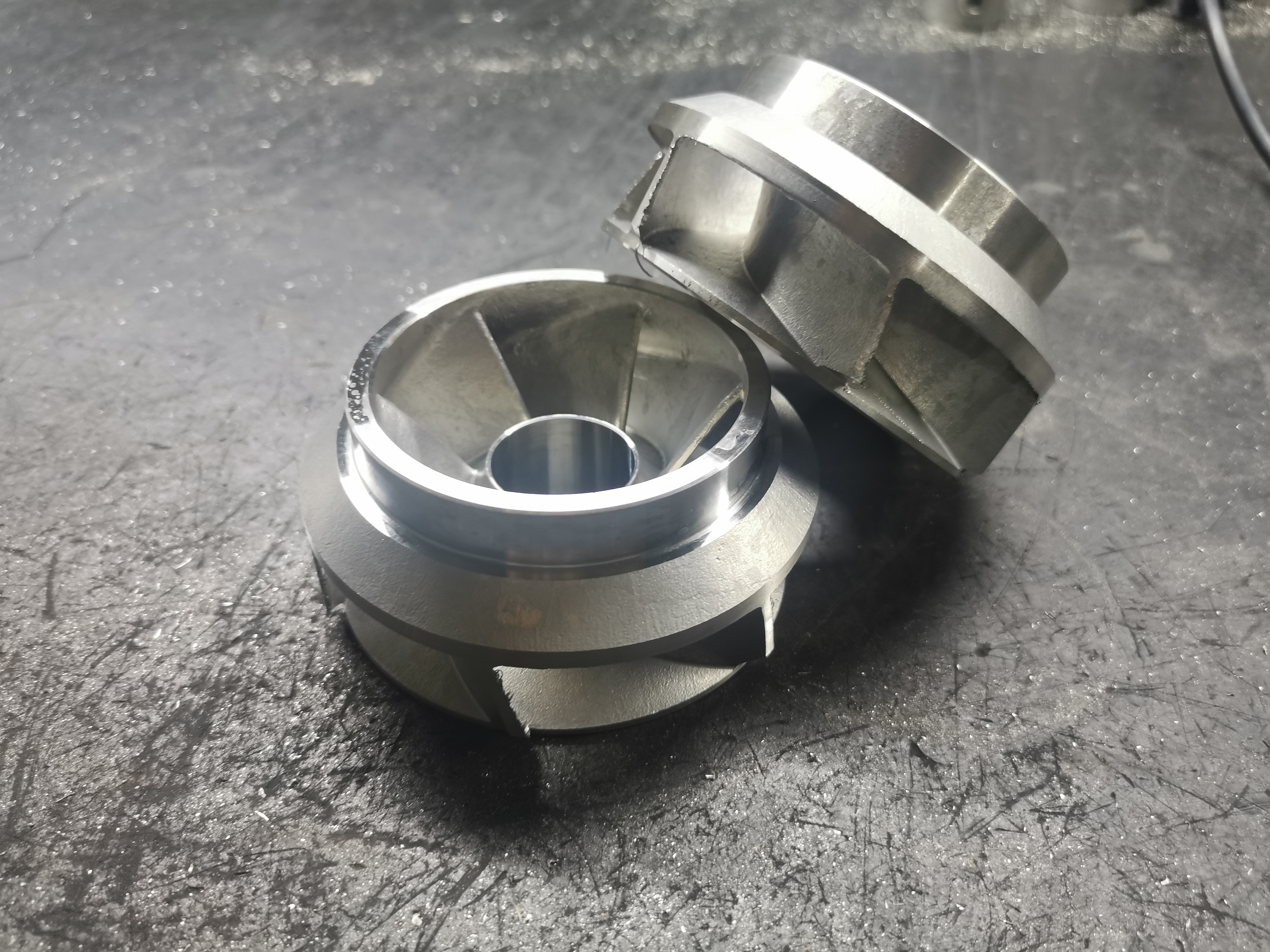
The difference between 316 and 304 stainless steel casting
The difference between 316 and 304 stainless steel casting 316 and 304 china precision casting stainless steel castings are widely used where corrosion resistance is required. 316 and 304 custom investment casting are widely used in everything from construction and medical to food equipmen...Read more -

Welding Processes
Welding Processes: Types, Advantages, Disadvantages & Industrial Applications Welding is a critical fabrication technique used across industries, from automotive manufacturing to aerospace and construction. Choosing the right welding method can significantly impact product quality, efficiency...Read more