Chinese wholesale Forging Parts Factory - Steel casting – Neuland Metals
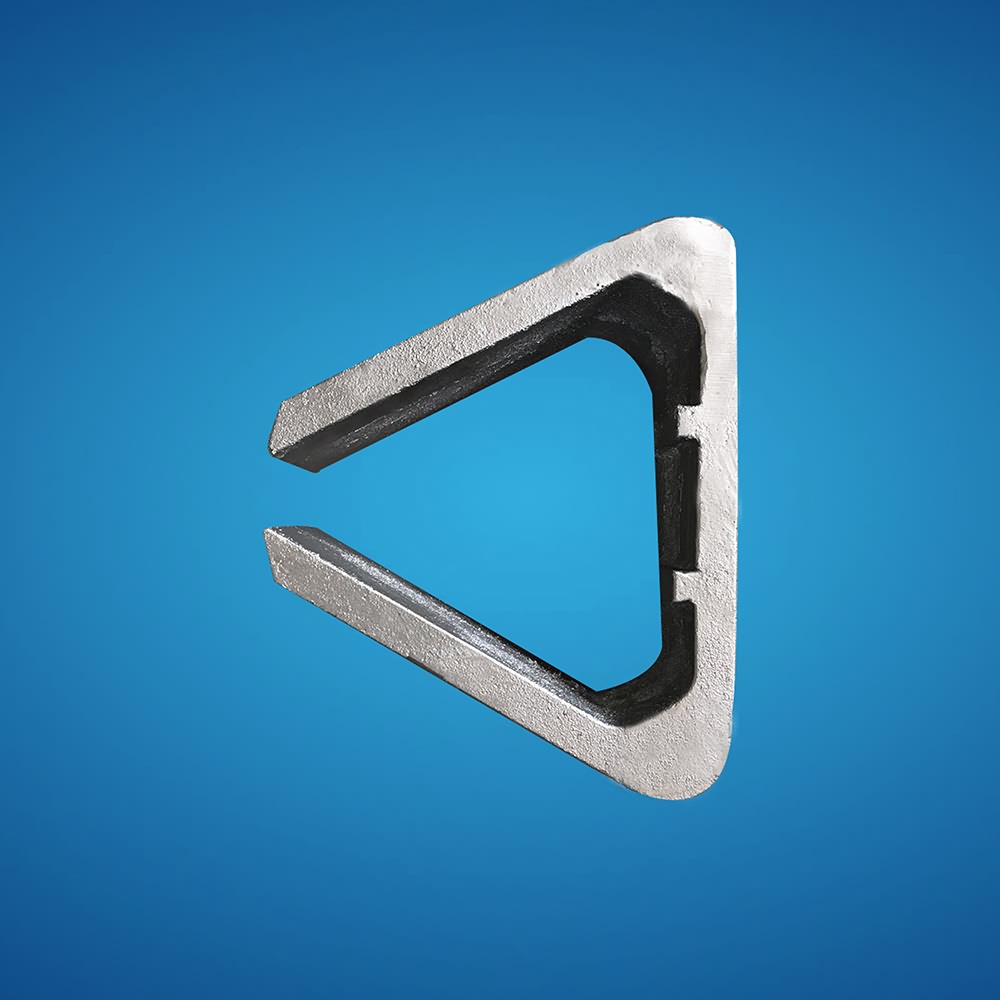
Chinese wholesale Forging Parts Factory - Steel casting – Neuland Metals Detail:
Steel casting is one of the casting alloys and consists of mainly iron and Carbon. The steel casting is preferred to be adopted when the iron casting can not meet the requirement of the function, especially in terms of strength. Steel castings can be categorized into general structure steel casting, welding structural steel casting, stainless and high temperature steel casting according to usage. And chemically, steel castings can be called carbon steel and alloy steel. Furthermore, if based on its characteristics, the steel castings can be listed as tool steel, special steel, engineering & structure steel and alloy steel.
The advantage of steel castings are its flexibility and variability in designing and production, its much higher strength in structure, wider range of part weight.
Cast steels can be produced with a wide range of properties. The physical properties of cast steel change significantly depending on chemical composition and heat treatment. They are selected to match performance requirements of the intended application.
- Hardness
The ability of a material to withstand abrasion. Carbon content determines the maximum hardness obtainable in steel, or hardenability. - Strength
The amount of force necessary to deform a material. Higher carbon content and hardness result in steel with higher strength. - Ductility
The ability of a metal to deform under tensile stress. Lower carbon content and less hardness result in steel with higher ductility. - Toughness
The ability to withstand stress. Increased ductility is usually associated with better toughness. Toughness can be adjusted with the addition of alloying metals and heat treatment. - Wear resistance
The resistance of a material to friction and use. Cast steel exhibits similar wear resistance to that of wrought steels of similar composition. The addition of alloying elements such as molybdenum and chromium can increase wear resistance. - Corrosion resistance
The resistance of a material against oxidization and rust. Cast steel exhibits similar corrosion resistance to that of wrought steel. High-alloy steels with elevated levels of chromium and nickel are highly oxidation resistant. - Machinability
The ease at which a steel casting can change shape by removing material through machining (cutting, grinding, or drilling). Machinability is influenced by hardness, strength, thermal conductivity, and thermal expansion. - Weldability
The ability of a steel casting to be welded without defects. Weldability is primarily dependent on the steel casting’s chemical composition and heat treatment. - High-temperature properties
Steels operating at temperatures above ambient are subject to degraded mechanical properties and early failure due to oxidation, hydrogen damage, sulfite scaling, and carbide instability. - Low-temperature properties
The toughness of cast steel is severely reduced at low temperatures. Alloying and specialized heat treatments can improve a casting’s ability to withstand loads and stresses.
Steel casting is applied is nearly all the industries. Especially is the industries like power station, ship building, train, automotive, engineering vehicles, construction vehicles, mining industry, aerospace, energy, oil, chemical etc, steel castings are widely used.
For Steel casting, the process can be shell molding and Solidum silicate sand casting, both are a kind of sand casting process. And Investment casting process can also be applied. You can make the option based on the need of surface, cost and tolerance.


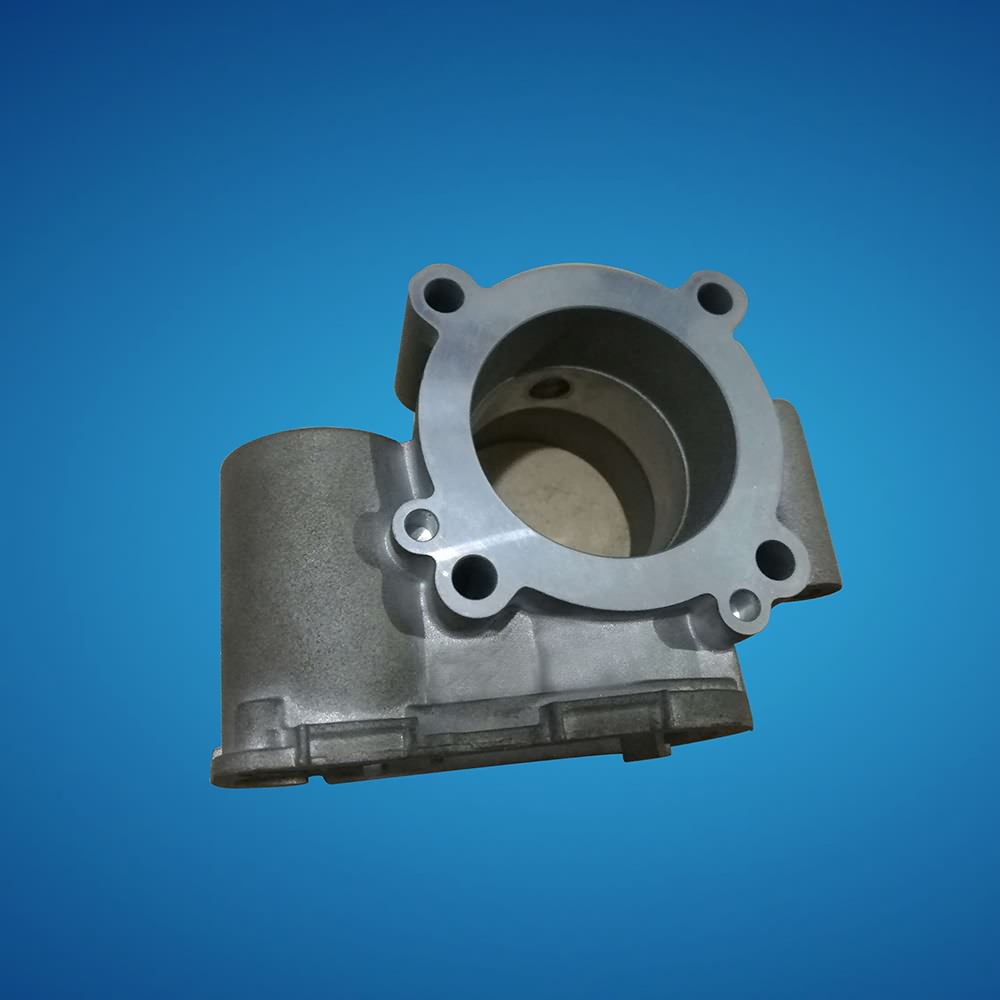
Product detail pictures:
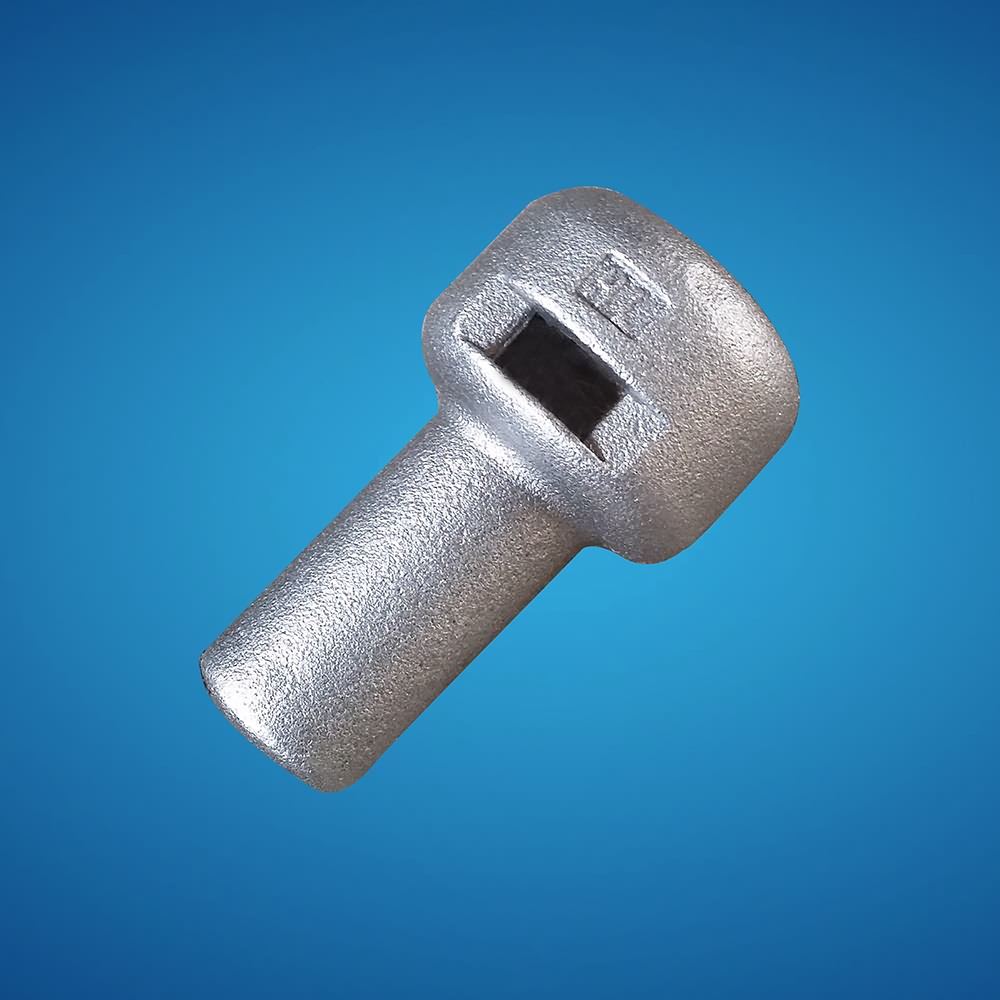

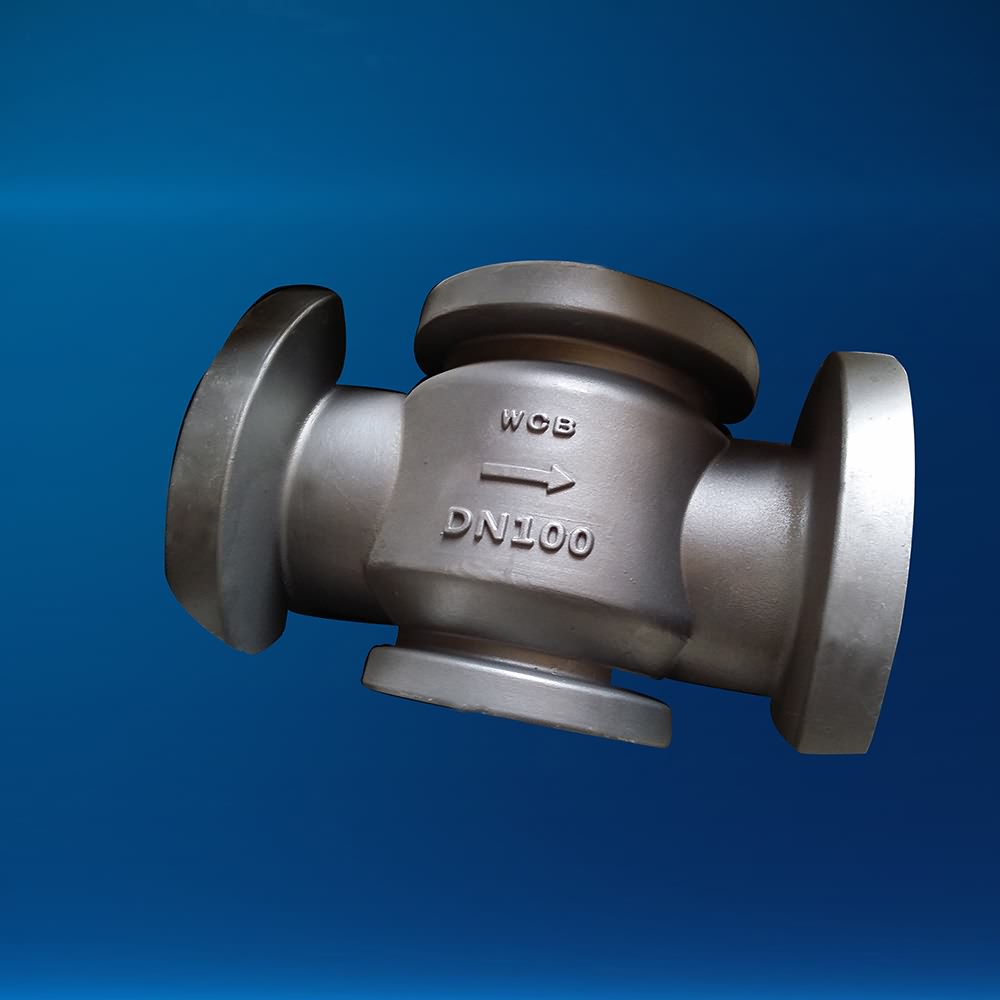
Related Product Guide:
All we do is usually connected with our tenet " Customer to start with, Rely on initial, devoting on the food packaging and environmental protection for Chinese wholesale Forging Parts Factory - Steel casting – Neuland Metals , The product will supply to all over the world, such as: Swedish, Ukraine, Spain, Now, we are trying to enter new markets where we do not have a presence and developing the markets we have the already penetrated. On account of superior quality and competitive price , we will be the market leader, please don’t hesitate to contact us by phone or email, if you are interested in any of our products.
 By Kevin Ellyson from Jordan - 2018.02.12 14:52
The customer service staff's answer is very meticulous, the most important is that the product quality is very good, and packaged carefully, shipped quickly!
By Albert from Dubai - 2018.09.23 18:44
Products categories
-
High definition Customized Hot Forging - SS304...
-
Factory Cheap Die Casting Supplier - Ductile i...
-
China New Product Ductile Iron Casting - CNC m...
-
Professional China Customized Aluminium Casting...
-
PriceList for Custom Precision Casting - Steel...
-
China Manufacturer for Bronze Casting Supplier ...